

Smart strategies for saving money on your kitchen remodel
Most homeowners start their kitchen remodel with big dreams and a long wish list. It’s easy to get swept up by inspiration from social media or home shows. But before you think about cabinets or counters, make sure you know how much you can comfortably spend. Setting a clear budget is the most important step.
Begin by separating your needs from your wants. Write down what absolutely must be addressed, such as plumbing, electrical work, or any repairs flagged by your home inspector. These are the costs you can’t avoid. Next, make a separate list for upgrades and style choices. Items like a new backsplash or high-end appliances are fun, but they come after the basics. The truth is, kitchen remodeling costs in Roseville can vary a lot depending on your choices and how much of the work you’re willing to do yourself.
Take time to research what kitchen remodels actually cost in your area. Check local averages, ask neighbors about their projects, and get a realistic picture of what your money can buy. Many people skip this step and end up running out of funds before the work is finished. Smart budgeting at the start will help you avoid stress and unexpected expenses later. Think of it as the groundwork for every other savings strategy you’ll use during your remodel.
Prioritizing High-Impact Changes
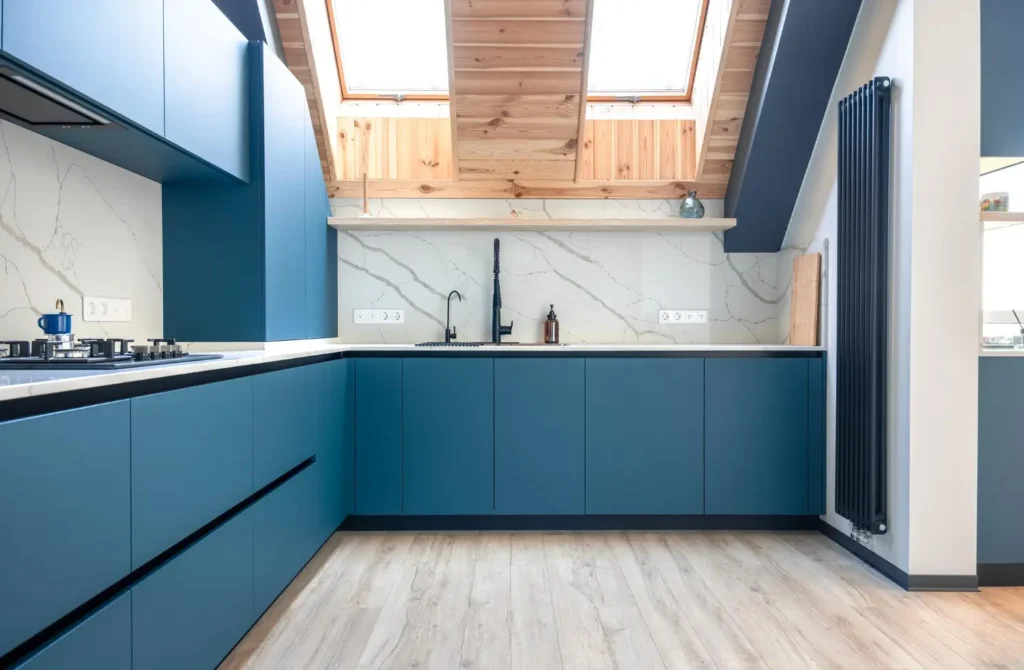
You have to make choices during a kitchen remodel. Most budgets won’t cover every upgrade on your wish list. Focus on the improvements that will make your kitchen work better for you each day. For example, it might be tempting to buy a trendy backsplash or high-end light fixtures. But if your cabinets are falling apart or your appliances are unreliable, those bigger fixes will have more impact.
Picture this: A homeowner has a kitchen from the early 2000s. The cabinets are sturdy but look worn out. Instead of tearing them out, they decide to refinish. After sanding, painting, and adding new handles, the cabinets look brand new. With the money saved, they get an energy-efficient refrigerator. This is a smart swap. The kitchen feels fresh, and they tackled a daily frustration without overspending. Always ask yourself what’s most important: Is it keeping storage solid and functional, or adding an extra feature you saw online?
Quick tip: If you’re choosing between two upgrades, pick the one you’ll still appreciate in five years. Go with long-lasting value instead of a short-term trend.
Setting priorities doesn’t mean skipping all the fun details. It just means focusing your budget on the updates that matter most. A good plan, starting with clear budgeting (check out kitchen remodeling costs in Roseville), helps you decide where to spend and where to save. This way, you get a kitchen you love – without breaking the bank or settling for so-so results.
Creative Ways to Cut Costs
Saving money on a kitchen remodel doesn’t have to mean sacrificing style or quality. Success often comes down to making smart choices and staying flexible. There are two main strategies that can make a real difference: knowing when to buy and making the most of what you already have.
Taking Advantage of Seasonal Sales
Stores run big sales throughout the year. Black Friday, year-end clearances, and summer inventory events can all offer steep discounts. If you can wait, plan your purchases around these times. Appliances, cabinets, and fixtures often get marked down. One family I worked with saved hundreds by simply waiting for a major holiday sale before buying their refrigerator and oven.
Watch for online deals, sign up for store alerts, and check local ads. If you’re able to schedule your remodel around these sales, you’ll stretch your budget further. Even waiting a few weeks can help you land a better price on big-ticket items.
Repurposing and DIY Options
Don’t rush to replace everything. Sometimes, a little creativity can refresh your space for a fraction of the cost. For example, I knew a couple who kept their sturdy old cabinets. They sanded and painted them, swapped out the hardware, and the kitchen looked completely different. Their savings? Several thousand dollars, plus a kitchen that reflected their personality.
You can also shop at salvage yards or browse online for secondhand finds. Old tables can become kitchen islands. Tile backsplashes can get a new look with some paint. Doing basic tasks yourself, like demo or painting, helps cut labor costs.
- Time purchases with major sales events
- Refinish or reuse existing cabinets and fixtures
- Check salvage yards and online marketplaces for materials
- Take on simple demo and painting projects yourself
- Combine statement pieces with budget-friendly basics
All these small choices add up. With some planning, patience, and a bit of hands-on work, you can create a kitchen you love while keeping costs under control.
Avoiding Common Pitfalls

Kitchen remodels have a way of running over budget fast. Sometimes, even the most careful plans hit snags. Many homeowners end up spending more than they expected. Often, it comes down to a handful of mistakes that can trip up any project.
- Overlooking hidden costs, like plumbing issues behind old cabinets
- Making changes after work starts
- Leaving out key details in the first plan
- Picking style over function (like glossy cabinets in a busy family kitchen)
- Choosing a contractor based only on price, without checking their background
- Forgetting about permits or needed inspections
One small change, such as deciding on a new backsplash mid-project, can lead to delays and extra costs. Sticking with your original plan can save time, money, and stress. Here’s a simple tip to keep in mind:
“Before you approve any changes, take a night to think things over. That last adjustment might cost more than you realize.”
Solid planning is your best way to avoid budget surprises. If you’re worried about missing something, a skilled contractor can help. They know the common pitfalls and can help keep your project on track and within your budget.
Working with the Right Professionals
Tackling a kitchen remodel might sound tempting if you want to save money, but trying to do everything yourself often leads to extra costs and frustration. Watching a few online tutorials can give you confidence, but getting smooth tile lines or perfectly hung cabinets is harder than it looks. Good contractors do more than handle the heavy lifting. They keep your project moving, spot problems early, and can get better prices on materials thanks to industry connections.
Here’s a quick look at how hiring a professional compares to doing it yourself:
| DIY Remodel | Professional Remodel | |
|---|---|---|
| Upfront Cost | Lower (if you avoid mistakes) | Higher at first |
| Project Timeline | Weeks or months | Usually shorter |
| Common Risks | Leaks, building code issues, having to redo work | Fewer errors, warranty coverage |
| Access to Discounts | Retail prices | Trade pricing on materials |
| Stress Level | High | Much lower |
Hiring a contractor may cost more at the start, but you often save in the long run. There are fewer surprises, less wasted material, and your kitchen works as it should when the project ends. For example, I’ve seen people try to install cabinets on their own and end up calling for help when drawers don’t open and doors hang crooked. Fixing those mistakes is expensive. In some cases, the DIY route ends up costing more than hiring a pro from the beginning. If you want trustworthy kitchen remodeling services, look for a company with a proven local reputation.
Choosing Your Remodel Partner
Not every contractor will be a good fit. Here are three things to check: transparency (clear quotes and honest communication), experience (ask to see before-and-after photos), and solid references. A reliable contractor should answer your questions, offer realistic timelines, and stay available until the job is done. Some will even help you avoid costly trends or unnecessary upgrades. The right partner looks out for your budget both now and in the future. That peace of mind matters, especially when you’re finally enjoying a kitchen that matches your vision without going over budget or schedule.
