One pergola beam end still looks damp after the rain?
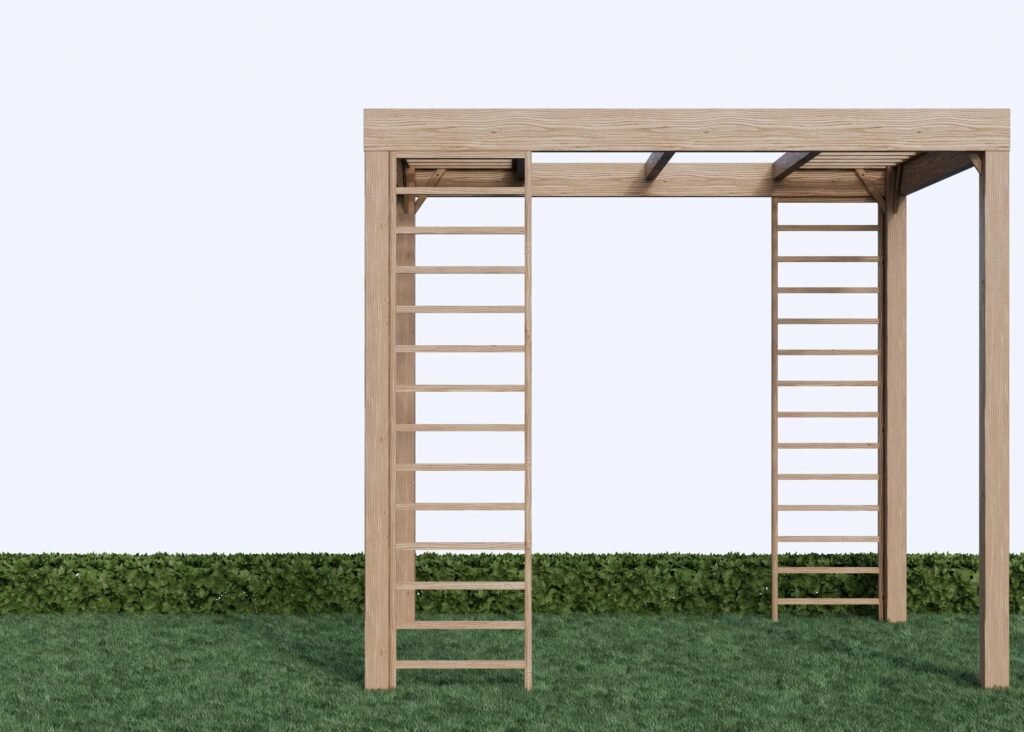
After a November rain, look at your pergola once most of the wood has dried. If one beam end still looks dark while the surrounding wood has returned to its usual color, that spot is worth noticing. It is a clue, not a verdict that the beam needs replacing.
Across the greater Sacramento area, winter rain follows months of hot, dry weather. This is a handy moment for a short walk around your pergola. Stay on the ground and look at what you can see comfortably. No ladder, screwdriver, or experimental shaking required.
Three things worth a look
Wait until nearby exposed wood has had a chance to dry. There is no single drying deadline. Shade, airflow, and the shape of a connection can affect how long a spot stays damp. Look for differences rather than watching the clock.
- A beam end that stays dark. Compare it with nearby wood and, if possible, another beam end with similar exposure. The cut end of a board can take up moisture, and a sheltered joint may dry more slowly than an open surface. Color alone cannot tell you whether the wood is decayed. Notice whether the same area repeatedly stays dark after surrounding wood dries, especially if the patch grows or the wood looks crumbly.
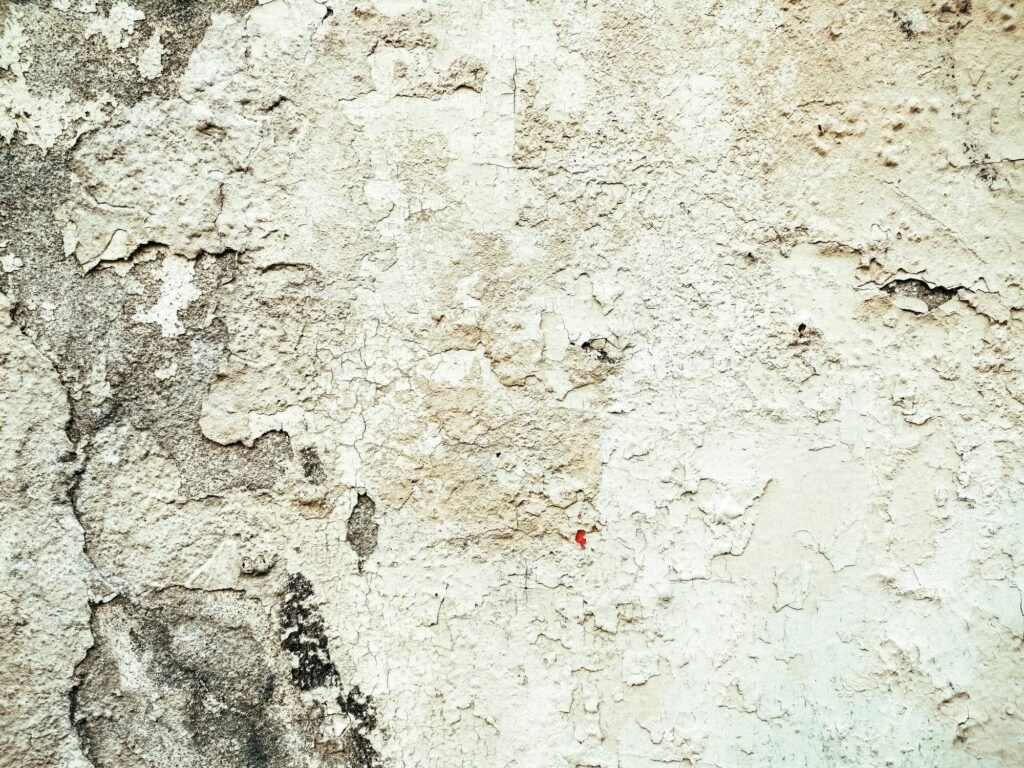
- Peeling finish around the spot. Look for paint or stain lifting near the beam end or connection. Worn finish can leave wood more exposed to moisture, but peeling does not tell you how sound the wood is underneath. Is it scattered weathering, or is it concentrated around that one dark patch? Hold off on simply painting over it. A fresh coat can hide the clue without addressing the reason it keeps appearing.
- A connection that looks different. From the ground, look where the beam meets a post or another piece of wood. A gap can come from normal wood movement, so an opening alone does not prove failure. A gap that appears new or larger, particularly alongside sagging or a displaced connector, deserves inspection. Do not pull on the beam or tighten hardware to see what happens. That is more than a walk-around.
If you can do so safely, take one photo showing the whole connection and another showing the dark area. A later photo from roughly the same angle can help you compare it after a dry stretch. You are recording what you see, not trying to diagnose hidden damage with your phone.
A clue, not a replacement order
Say one beam end stays dark and has peeling paint, while the rest of the pergola looks unchanged. That is a reason to check the wood and moisture conditions, not order a replacement beam based on color alone. Surface appearance cannot show how far deterioration goes, or whether there is deterioration at all.
If the spot keeps returning, arrange a closer inspection. If you also see sagging, a displaced connection, or pieces of deteriorated wood coming away, keep people clear of the affected area until it has been assessed.
At Vextrell Construction, we inspect the structure first and explain whether a targeted repair or a larger rebuild makes more sense. With limited damage, we can often replace individual posts, beams, rafters, or braces and keep the rest. Read about our pergola repair work, or send us photos, approximate dimensions, and a short description to get started.
More from the blog
Pergola rafter lifting off its beam? Leave the hammer
Notice a new gap beneath a pergola rafter? Take photos from the ground and leave the joint alone until the cause is…
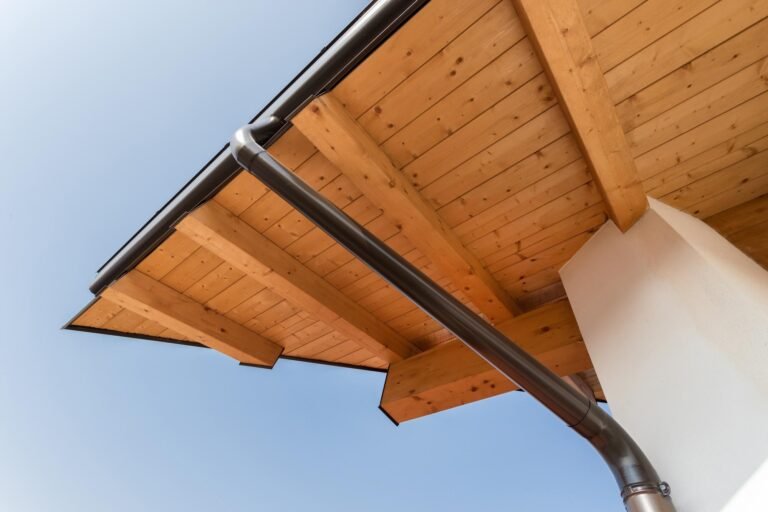
Is gutter overflow soaking your attached pergola?
November rain can reveal gutter overflow above an attached pergola. Stopping the water matters, but damaged wood may still need a repair…
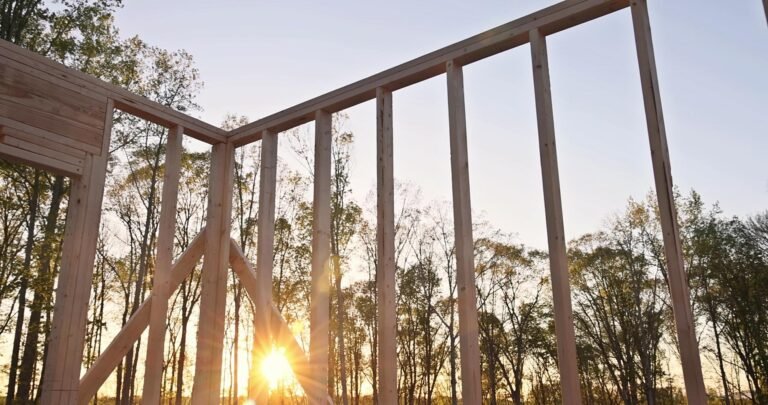
Will tightening bolts straighten a sagging pergola beam?
Tight bolts do not prove a sagging pergola is sound. Learn why finding the cause matters more than giving the wrench another…
Tell us about your project
- Tell us what you need Two quick steps. Photos and rough sizes help us give a more accurate estimate.
- We review it and get in touch We look over your request and let you know whether an on-site estimate makes sense.
- You know exactly what we will do Before any work begins, we walk you through the proposed design or repairs.
Questions? Call (916) 953-8633
Prefer to talk? Call (916) 953-8633
We've received your request and will get back to you soon. A copy is on its way to your email.
Need us sooner? Call (916) 953-8633