
Pergola rafter lifting off its beam? Leave the hammer
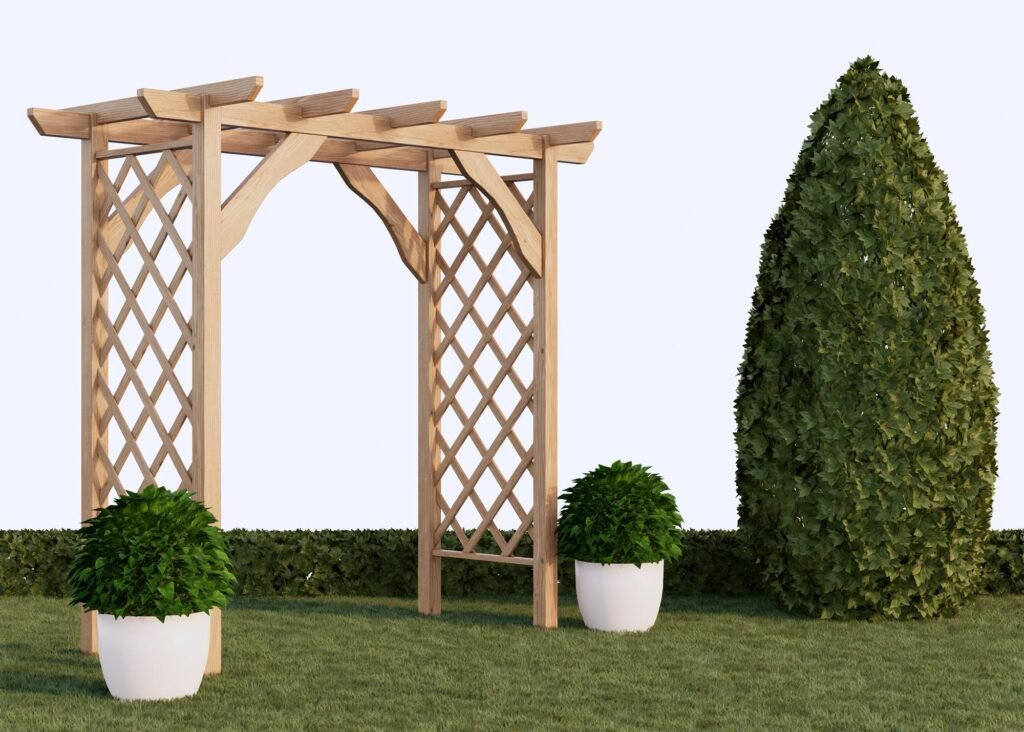
During a November yard check in Orangevale, you might notice daylight beneath a pergola rafter where it used to sit against the beam. It looks like something a few taps with a hammer could settle. Leave the hammer where it is.
A new gap can mean the connection has loosened, the wood has changed shape, or another part of the frame has moved. Here is the small, useful step: photograph it from the ground and have the structure inspected before trying to close the gap.
The gap is a clue
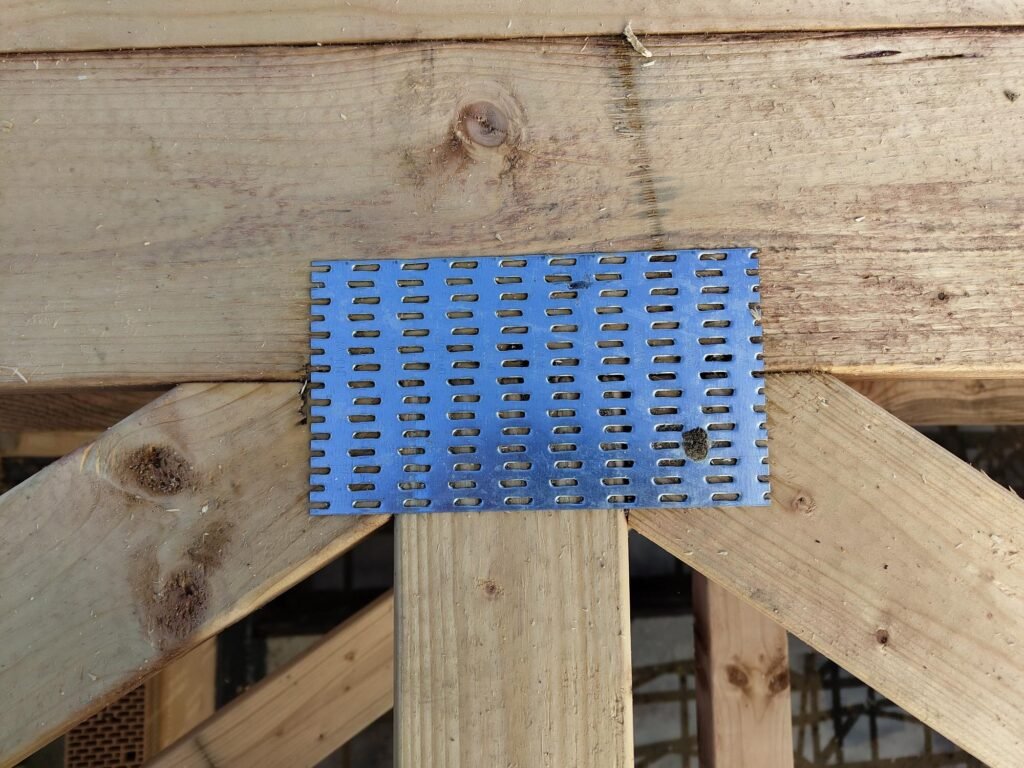
A rafter and beam do different jobs, and their connection matters. Depending on how the pergola was built, that joint may include a notch, screws, nails, or metal hardware. If a previously seated rafter has lifted, something has changed.
Wood can shrink or twist as it weathers. Fasteners can loosen, and decay can weaken the wood around them. Movement elsewhere in the frame can also change how a rafter meets its beam. From the lawn, different problems can look like the same little strip of daylight.
That does not mean every visible space signals damage. Some joints have intentional gaps or decorative cuts. The detail worth flagging is a new gap where the rafter previously rested against the beam, especially alongside a split or a connector pulling away.
After the Sacramento region’s hot, dry summer, November is a reasonable moment to notice changes before winter rain. The calendar alone, though, cannot explain what happened to the wood.
A hammer cannot explain it
Say one rafter has lifted slightly while the neighboring rafters still appear seated. Driving it down might make the joint look normal again. It would not tell you whether a fastener has lost its grip, the rafter has twisted, or the beam beneath it has shifted.
Forcing the wood back could split a weakened area or strain a damaged connection. Adding a screw without understanding the joint could also miss the cause. A closed gap is not proof of a sound repair.
Leave the climbing, tugging, and weight-testing out of this yard check. Those actions can disturb a questionable connection and put you beneath it. Your phone can do the looking without recruiting you as a test weight.
If a member appears partly detached or the frame is visibly leaning, keep people and pets away while arranging an assessment. Do not move closer just to get a sharper picture.
Take the photo, leave the joint
From a safe spot on the ground, take a photo showing the whole pergola. Then use your phone’s zoom for a view of the gap, including the beam, rafter, and visible connector. Stay out from beneath the questionable area.
Note when you first noticed the change. If an older backyard photo happens to show that joint, keep it too. Photos cannot confirm structural safety, but they can help explain what caught your attention without disturbing it.
At Vextrell Construction, we inspect the structure first and explain whether a targeted repair or a larger rebuild makes more sense. If damage is limited, we can often replace individual posts, beams, rafters, or braces and keep the rest. Our pergola repair page explains the service.
To start a conversation about pergola repair in Orangevale, send us photos, approximate dimensions, and a short description. For now, the useful move is also the simplest: record the change and leave the joint alone until its cause is understood.
More from the blog
One pergola beam end still looks damp after the rain?
Spot a dark pergola beam end after November rain? Take a quick look for lingering dampness, peeling finish, or a changing joint…
Is gutter overflow soaking your attached pergola?
November rain can reveal gutter overflow above an attached pergola. Stopping the water matters, but damaged wood may still need a repair…
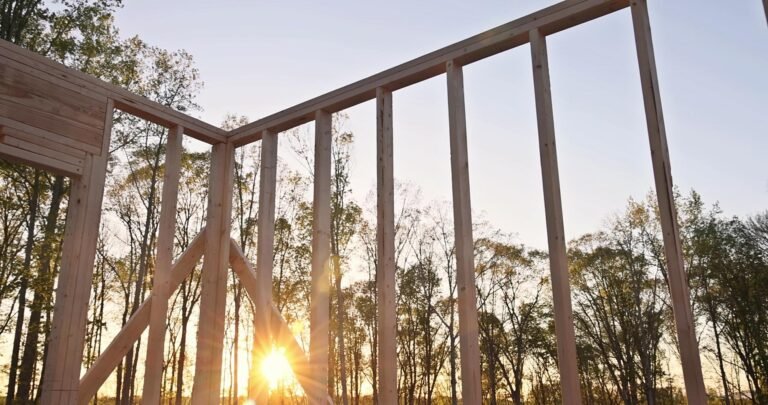
Will tightening bolts straighten a sagging pergola beam?
Tight bolts do not prove a sagging pergola is sound. Learn why finding the cause matters more than giving the wrench another…
Tell us about your project
- Tell us what you need Two quick steps. Photos and rough sizes help us give a more accurate estimate.
- We review it and get in touch We look over your request and let you know whether an on-site estimate makes sense.
- You know exactly what we will do Before any work begins, we walk you through the proposed design or repairs.
Questions? Call (916) 953-8633
Prefer to talk? Call (916) 953-8633
We've received your request and will get back to you soon. A copy is on its way to your email.
Need us sooner? Call (916) 953-8633